
A lone worker isn't necessarily someone working in an isolated location. They could be showing a home to a prospective buyer. Inspecting a property. Visiting a customer. Working in the field. Or simply being the only employee left at a workplace.
A lone worker is someone who performs their job without another person immediately available to provide assistance if something goes wrong.
And there are probably more lone workers in your organization than you think.

When people think about lone worker safety, they often picture remote jobs: Utility workers, drivers or employees working in isolated locations. But working alone can happen almost anywhere.
A lone worker could be:
The important distinction isn't the job title. It's whether help is immediately available when that person needs it.

Working alone doesn't automatically make a job dangerous. It can, however, change what happens when something goes wrong.
An uncomfortable interaction can escalate. A worker can become injured or ill. A routine appointment can take an unexpected turn. Without someone nearby, getting help can become more difficult - particularly if the employee can't safely make a phone call or explain what's happening.
That's why effective lone worker safety needs to consider more than emergency situations. It should also address the moments when something simply doesn't feel right.
A strong lone worker safety strategy starts by identifying who works alone, where they work and what risks they may encounter.
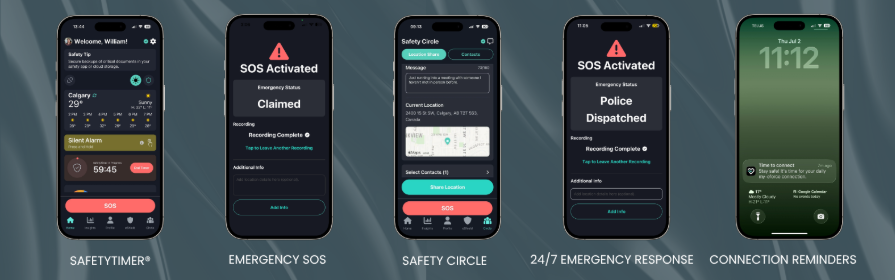
A lone worker safety app can give employees access to tools directly from devices they already carry. my-eforce, for example, equips users with tools such as Emergency SOS with video, Silent Alarm, SafetyTimer®, Location Sharing and Safety Circle.
But technology should do more than send an alert. The critical question is: What happens after someone asks for help?
With a professionally managed emergency response system, an alert can trigger an actual response rather than leaving an employee dependent on someone noticing a notification.

Lone workers don't all work the same way - and their safety solution shouldn't be limited by where, when or how they work.
my-eforce is designed to be the last lone worker safety app your organization will ever need.
From sales consultants working alone in show homes to REALTORS® meeting unfamiliar clients, property managers conducting inspections and employees working in the field, my-eforce puts safety technology directly on the smartphone or smartwatch they already carry.
With professionally managed emergency response and an ecosystem of proactive safety tools, employees aren't simply sending an alert - they're connected to support when it matters.
One lone worker safety solution. Wherever work takes your people.
Discover how my-eforce protects can work for your business. Chat to our team here: https://www.my-eforce.com/contact


