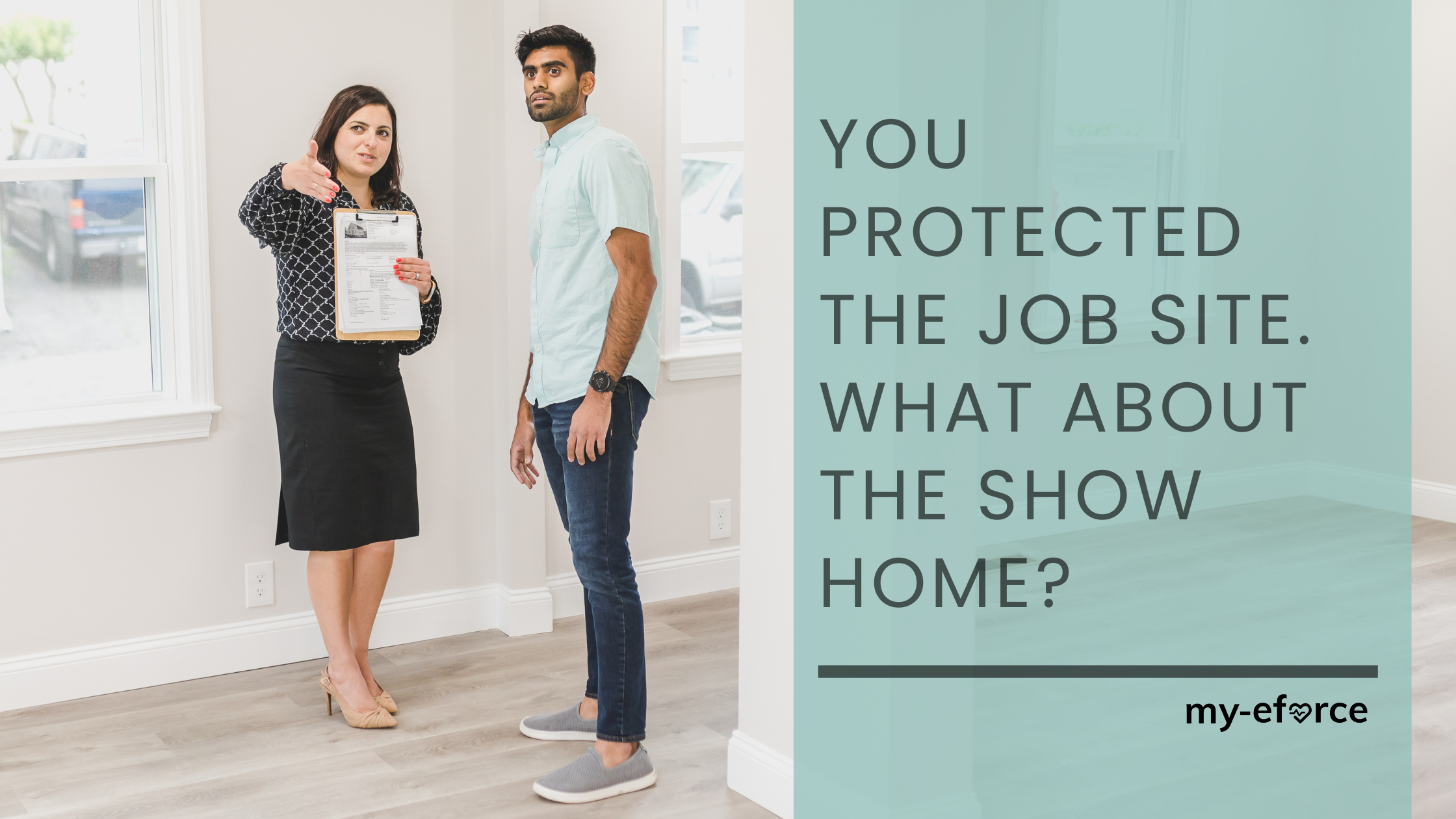
The risks are visible, so the precautions are visible too. But there’s another workplace that deserves just as much attention: The show home.
It may look polished, comfortable and controlled, but for the sales consultant working there alone, the risks can be very different - and much less obvious.
A sales consultant may spend hours working alone in a show home, welcoming members of the public they’ve never met before. There may be no receptionist. No security team. No colleague in the next room.
Appointments can happen during quiet periods, evenings and weekends. A visitor may arrive without an appointment. And once someone enters the home, the sales consultant can suddenly find themselves alone with a stranger behind a closed door.
That makes show home safety a lone worker safety issue.
The environment may not look dangerous. But risk isn’t determined by how safe a workplace looks. It’s determined by what happens when something goes wrong.
In many situations, yes. If a sales consultant regularly works without another employee immediately available to assist them, their role can present many of the same challenges associated with other lone worker environments.
That matters because sales consultant safety requires more than simply having a phone nearby.
If a situation becomes threatening, uncomfortable or unpredictable, the employee needs a fast, discreet way to get help - and confidence that someone will actually respond.
Calling 911 may not always be practical. Making a phone call can escalate a situation, and there are circumstances where an employee may not be able to openly ask for help at all.
Effective lone worker safety needs to account for those grey areas.
Home builders have made enormous progress in construction safety. Procedures, training, PPE and site-specific protocols are embedded into everyday operations.
But home builder safety shouldn’t stop when construction ends and sales begin. Protecting employees means considering every environment where people work - including the beautifully staged home at the front of the community.
For sales teams, that can mean giving employees access to safety technology that works on the devices they already carry and allows them to quickly signal for assistance, share their location or discreetly escalate a concerning situation.
The objective isn’t to make show homes feel dangerous. It’s to recognize that employees working alone deserve a reliable safety net wherever they work.
A strong show home safety strategy should consider what happens before, during and after an incident.
That can include:
Most importantly, the system should do more than send an alert. Someone needs to respond.
Discover all that my-eforce has to offer home builder sales teams:
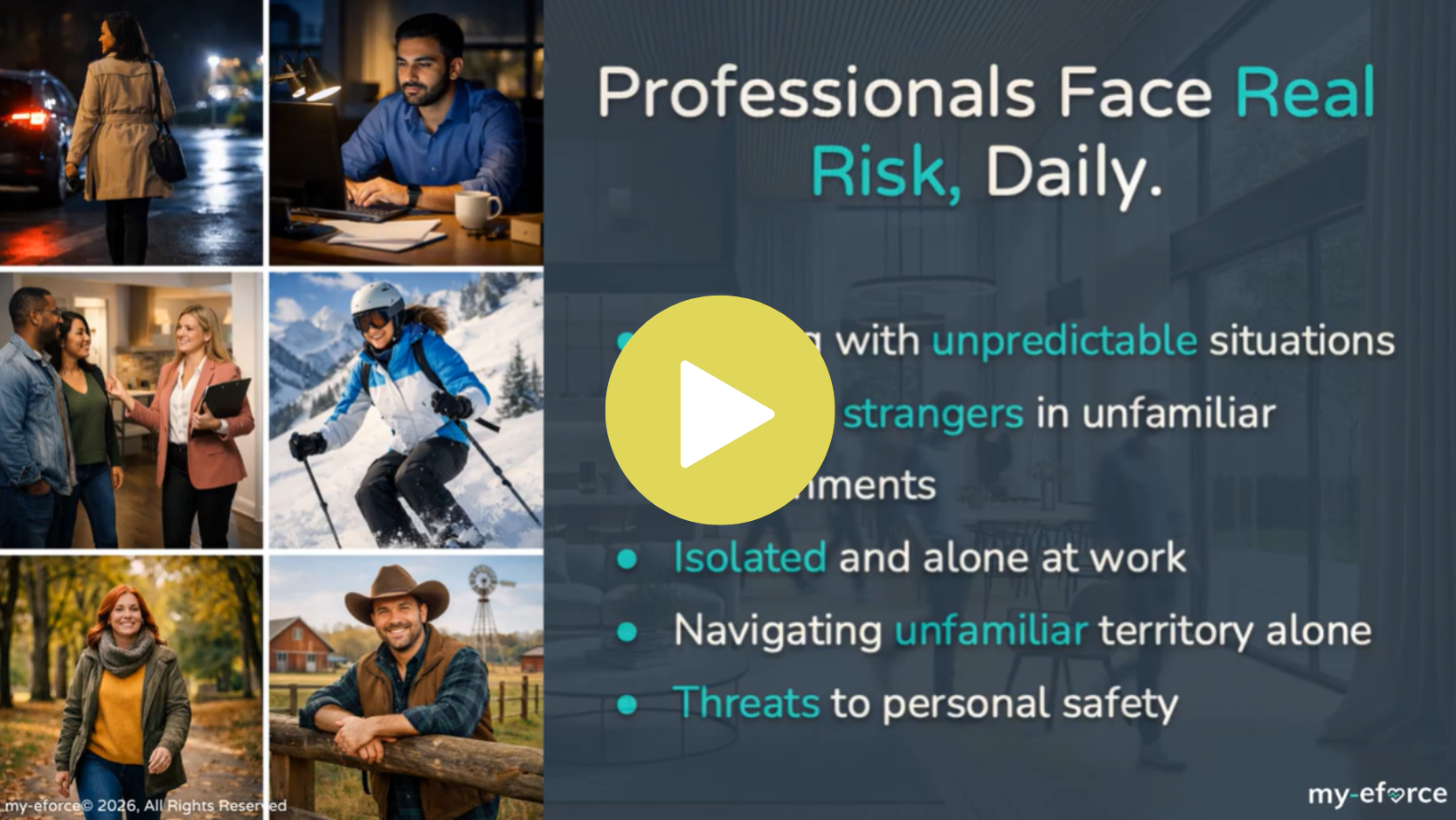
Construction sites look dangerous, so we’ve learned to treat them that way.
Show homes don’t. And perhaps that’s the blind spot.
A sales consultant working alone with members of the public may never experience a serious incident. Hopefully, they never will.
But lone worker safety isn’t about predicting when something will happen. It’s about making sure someone has support if it does.
For home builders, the question is no longer simply, “Are our construction sites safe?”
It’s: “Are we protecting everyone who works for us - wherever their work takes them?”
With my-eforce, home builders can extend their safety strategy beyond the construction site and give sales teams access to professionally managed emergency response directly from their smartphone or smartwatch.
Because home builder safety shouldn’t end at the construction site.


